News
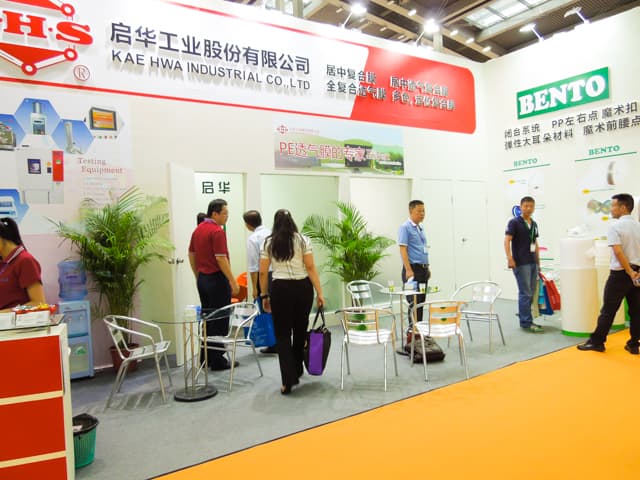
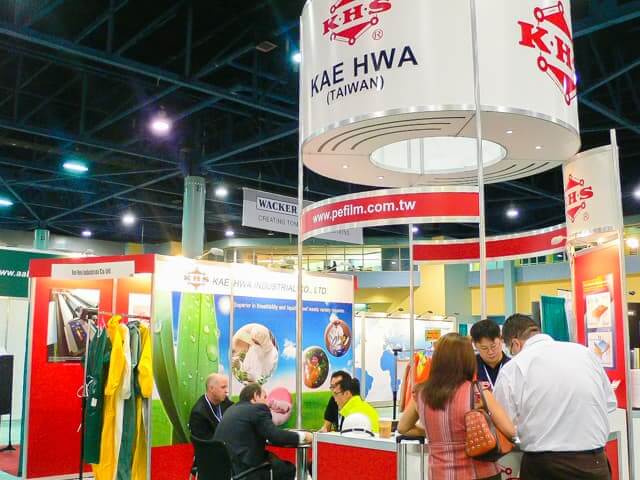
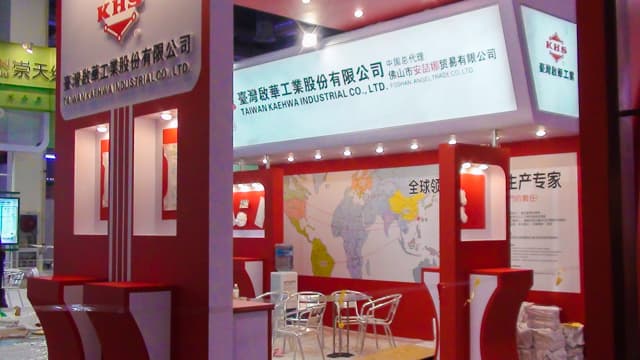
2013 CHINA SHENZHEN EXHIBITION TISSUE MATERIAL
Time:2013/5/23-26
Location:Shenzhen, China
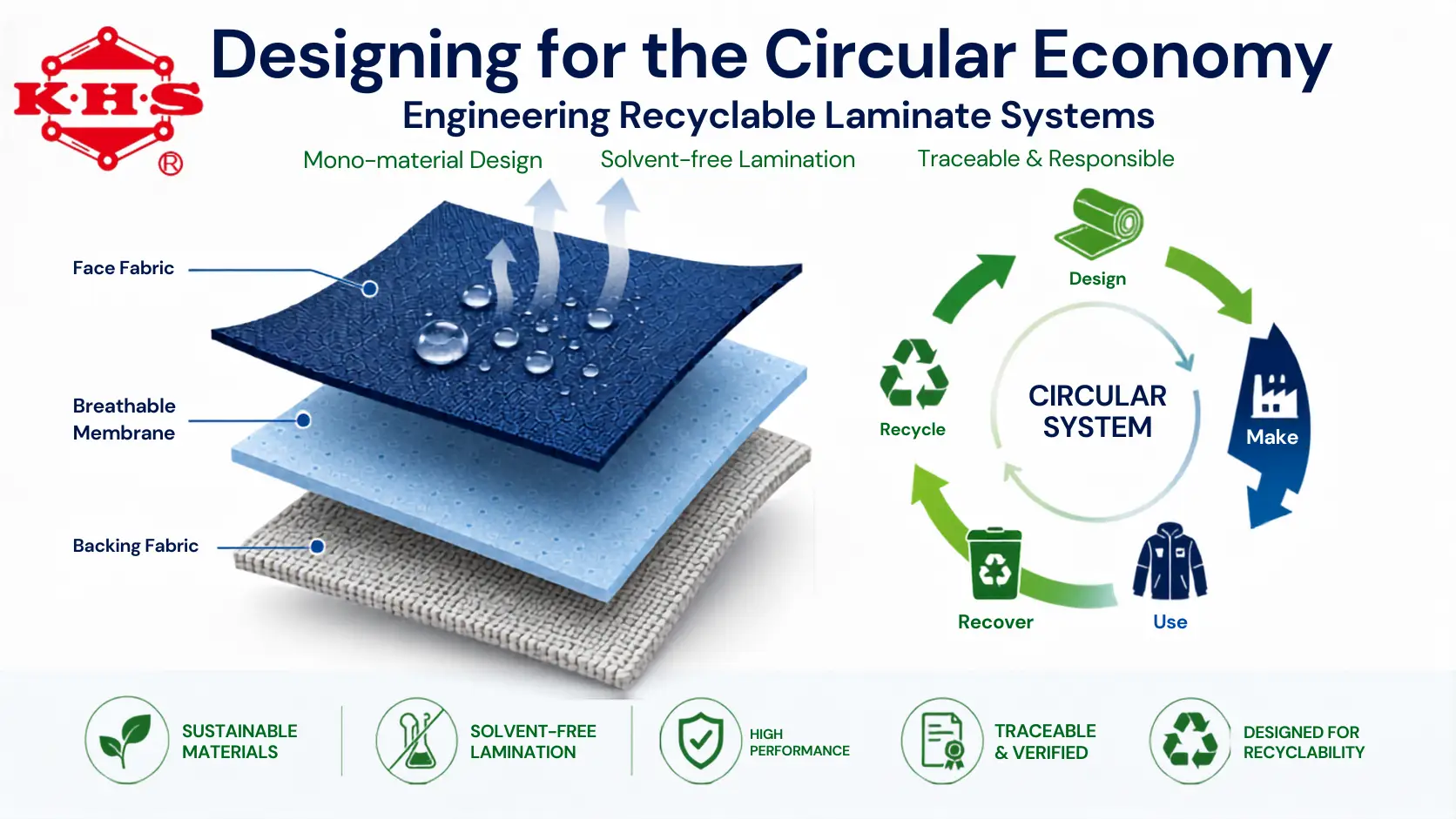
Learn how mono-material design, solvent-free lamination, and verified recycled-content systems support recyclable performance textiles.
Enter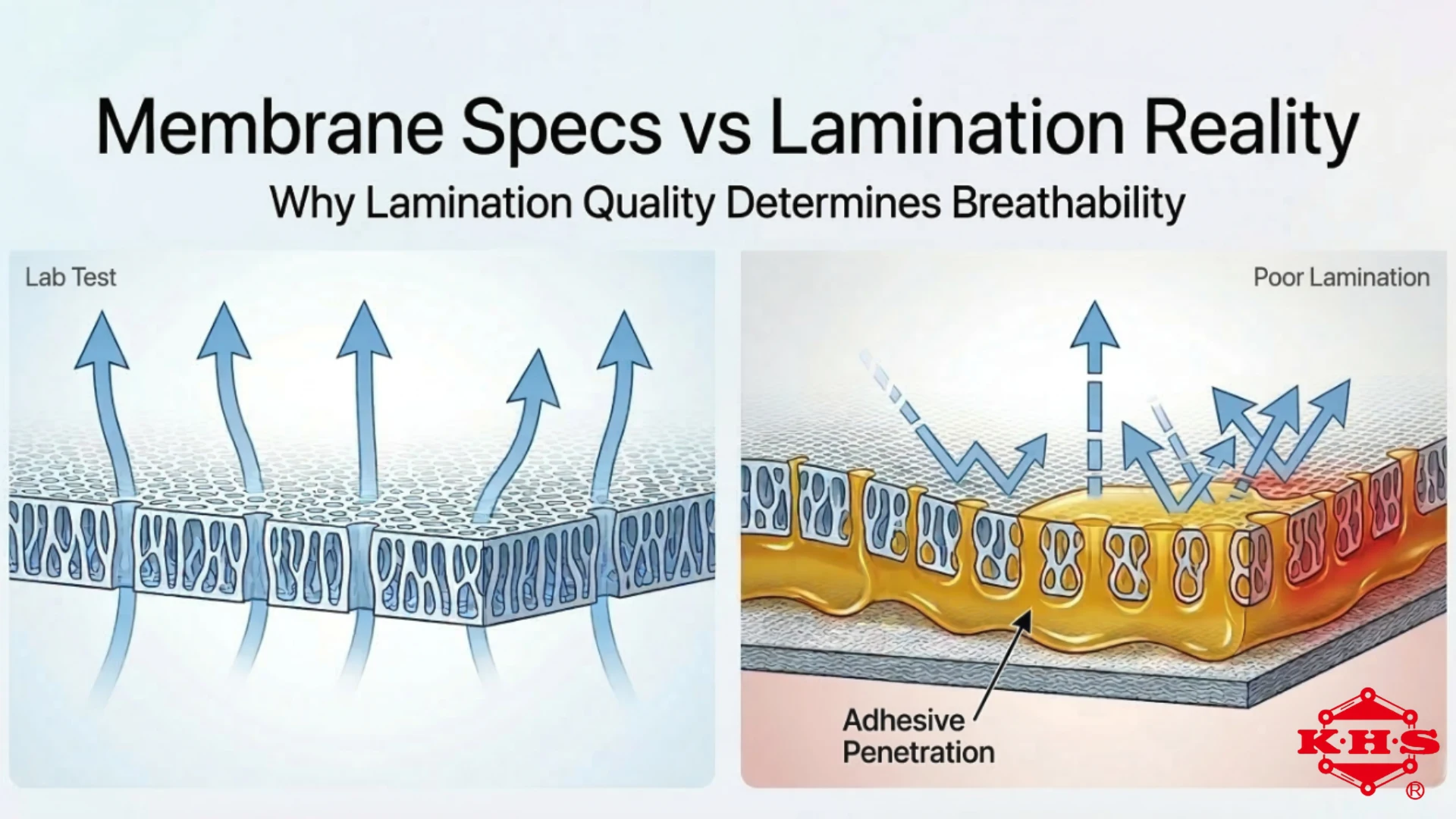
High MVTR specs are easily compromised by poor assembly. Learn how Kae Hwa's in-line lamination technology preserves effective pore surface area, dimensional stability, and sustainable performance for B2B applications.
Enter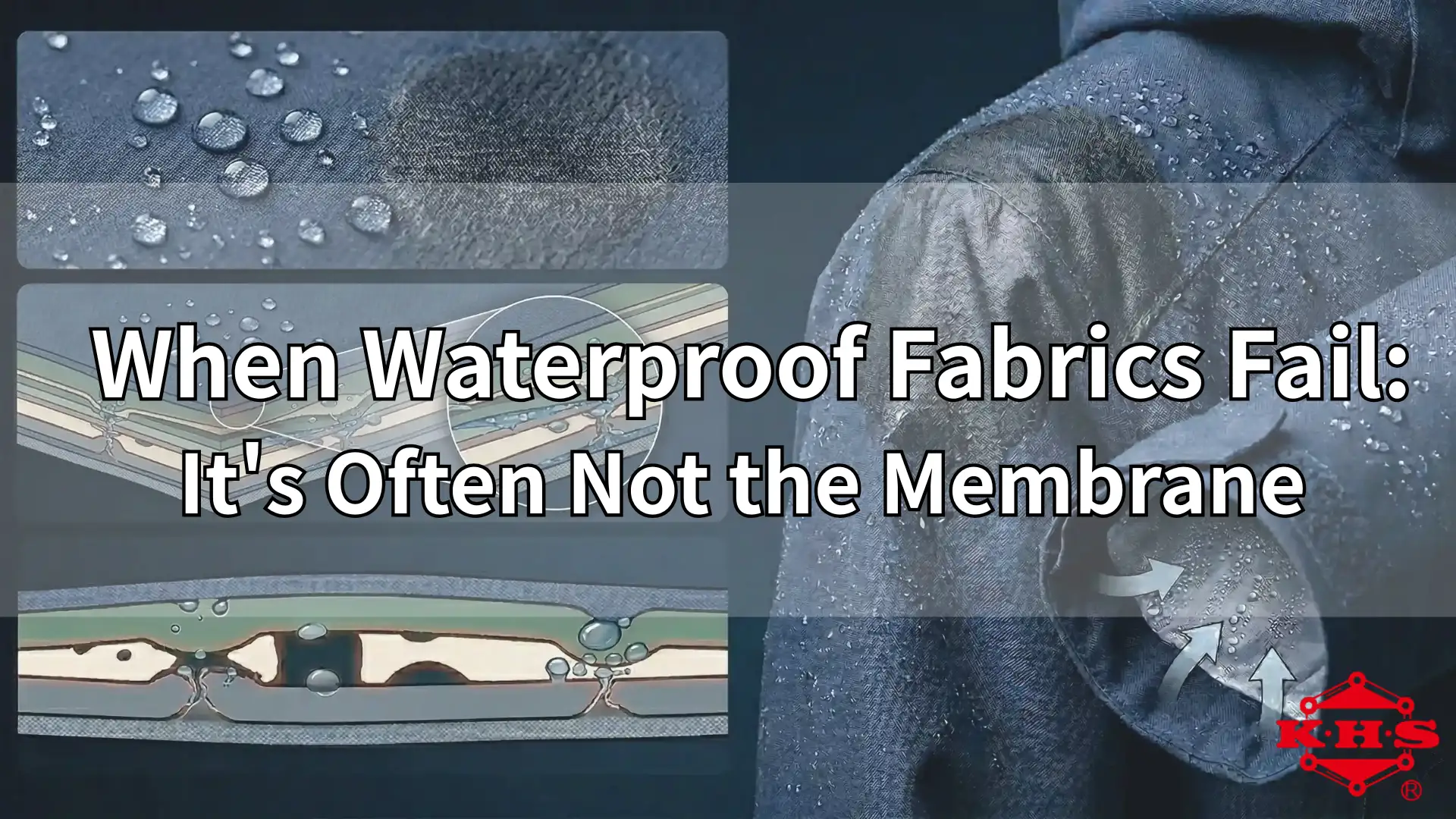
Field evaluations reveal why protective garments fail. Explore system factors such as wetting out, lamination variability, and seam-related damage, and learn practical engineering checkpoints for higher reliability.
Enter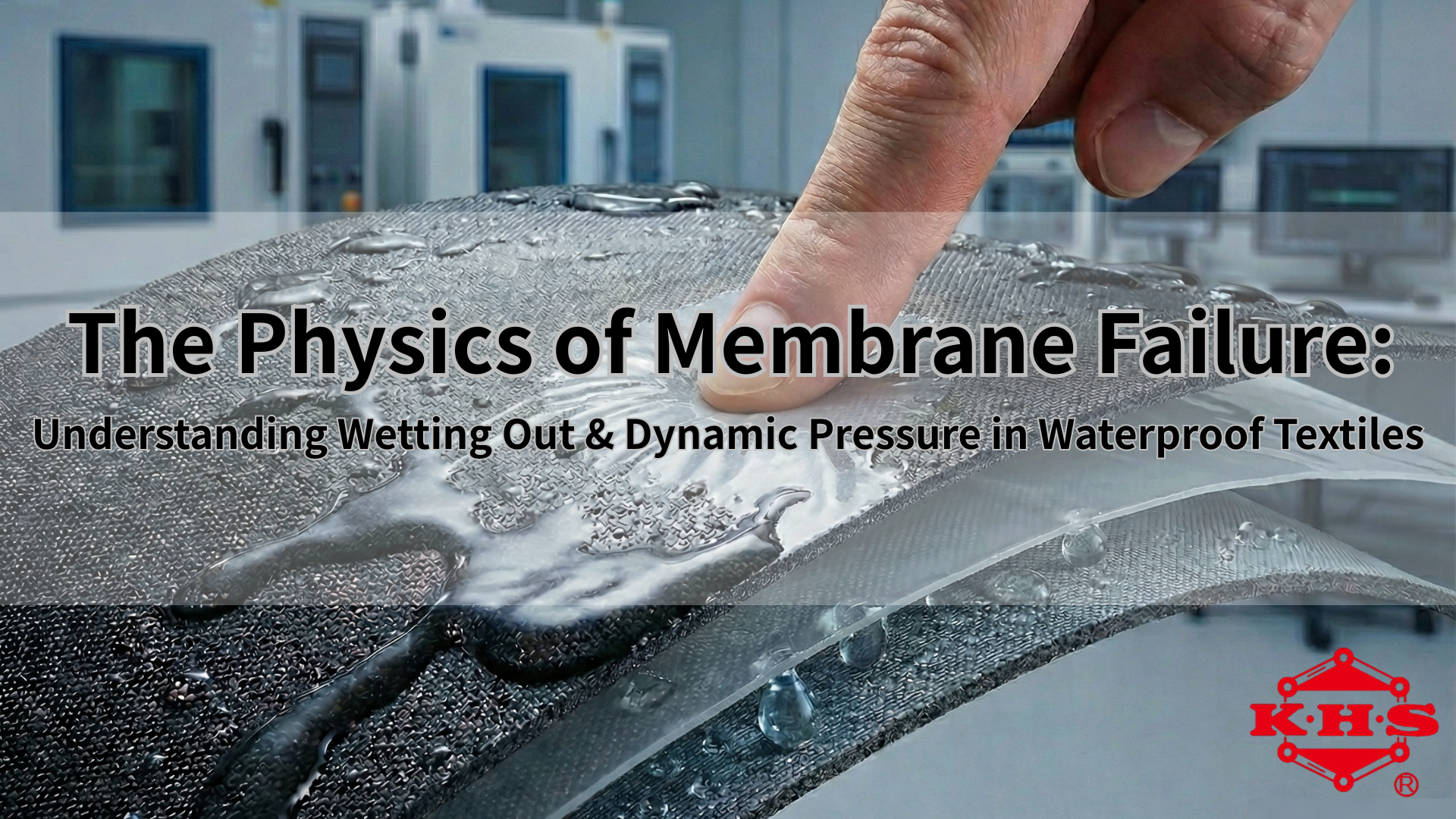
A technical deep dive into why high-spec waterproof membranes underperform under extreme dynamic pressure. This analysis explores the "Wetting Out" phenomenon and offers engineered solutions by comparing microporous and monolithic films, helping B2B manufacturers develop reliable protective textiles.
Enter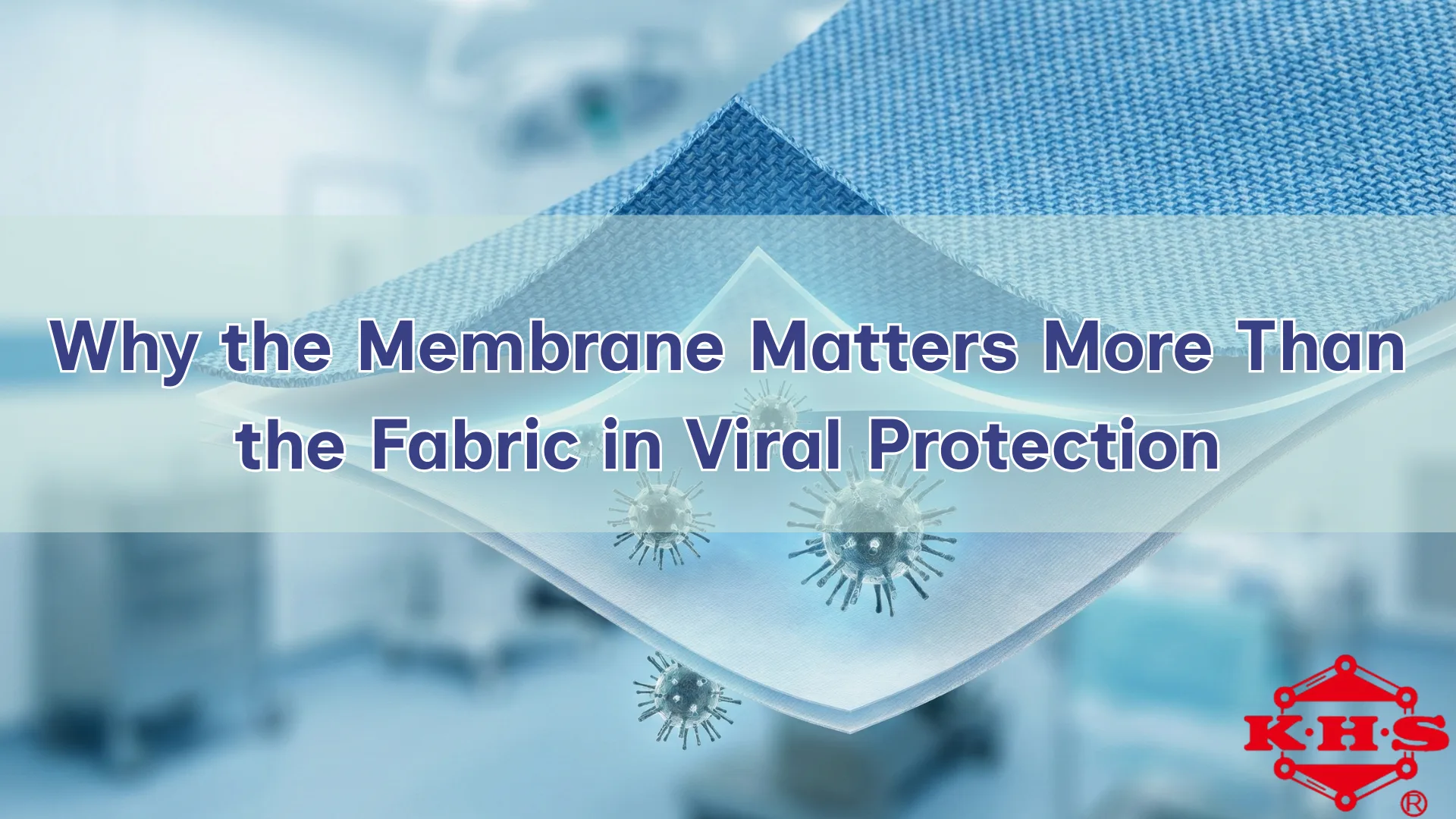
The true engine of viral protection isn't the outer fabric—it's the functional membrane hidden within. Discover how micrometer-scale engineering and AAMI Level 4 standards are redefining safety for medical professionals by transforming 0.01 mm of precision into global trust.
Enter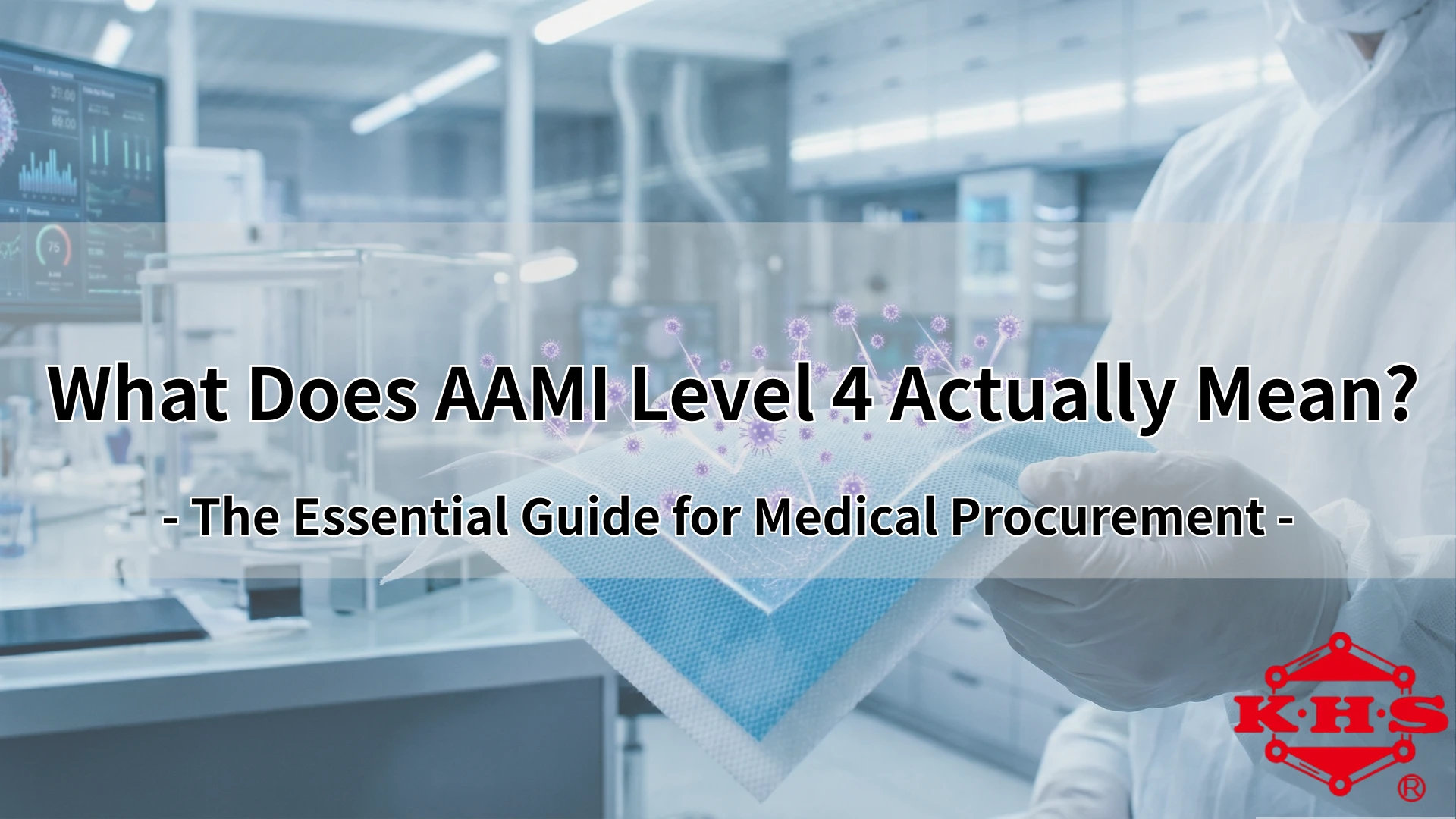
While AAMI Level 3 resists water, only Level 4 blocks viruses. This executive guide decodes the ASTM F1671 testing standard and the material science behind absolute viral protection, empowering you to make safer, fully compliant procurement decisions.
Enter